


Comprehensive Visit Guide to a Surgical Abortion Clinic

If you’re considering care at a surgical abortion clinic in Tampa, FL, Woman’s Health Center Inc. offers a clear, step-by-step experience that prioritizes privacy, comfort, and medical excellence. This guide walks you through what a typical visit looks like at the Tampa, FL, location—from scheduling your appointment through recovery—so you can feel prepared, reduce anxiety, and focus on yourself.
How to Prepare: Information, Options, and Confidence
It’s normal to have questions and emotions before any medical procedure, and preparation can help you feel grounded.
- Start with trustworthy information. Review eligibility, timing, and what to bring. If you’re unsure about dates or next steps, the team can confirm gestational age via ultrasound and provide options counseling.
- Think through support. Some patients prefer a trusted companion on the day of the visit. Confirm visitor policies in advance so you and your support person know what to expect.
- Plan for the rest of your day. Arrange for transportation, hydration, light meals, and a comfortable outfit. Have a recovery space ready at home with pads, a heating pad if you use one, and any over-the-counter pain relief recommended by your clinician.
What a Surgical Abortion Clinic Visit Entails
This section introduces the big picture so you can see how each step fits together.
Choosing a surgical abortion clinic means you’ll have a focused, procedural visit guided by licensed, experienced physicians who follow current medical standards. At the
Tampa, FL, facility, patients move through a streamlined sequence: scheduling, check-in, a private consultation and ultrasound, the procedure itself, and a monitored recovery period—all within a modern, clean environment designed for confidentiality.
From First Call to Confirmation: Scheduling Step-by-Step
A clear plan starts the moment you reach out, and every appointment is designed to minimize uncertainty.
- Initial contact. When you call, staff gather basic health information, discuss timing, and answer immediate questions. If you’re exploring multiple options, you can request neutral, factual guidance to help you decide.
- Appointment options. You’ll be given available dates and times, along with a short overview of what happens during the visit. Ask about transportation, payment methods, and what documents to bring to streamline your day.
- Pre-visit preparation. You’ll receive instructions on eating, drinking, and medications. Bring a government-issued ID and a form of payment, and be honest about any medical conditions or prescriptions so your plan is tailored appropriately.
- Confirmation and reminders. You may receive a reminder call or text with directions and arrival details. If you need to reschedule, it’s usually easy to do.
Arrival and Check-In: Privacy, Paperwork, and Comfort
Knowing what happens when you arrive can set the tone for a calmer day.
When you arrive at the surgical abortion clinic, you’ll check in at the front desk and complete any remaining forms. The waiting areas are designed for discretion, with calm, professional staff who are used to guiding patients through every stage. You’ll be called back for a private consultation where your clinician confirms your medical history, discusses what to expect, answers questions, and outlines your individualized plan. This is also when you’ll have an ultrasound to confirm gestational age and ensure the timing of the procedure is appropriate for you.
During this conversation, feel free to ask about pain management options, expected duration, and aftercare. Clear, compassionate communication is part of the clinic’s quality standards, and you should never feel rushed.
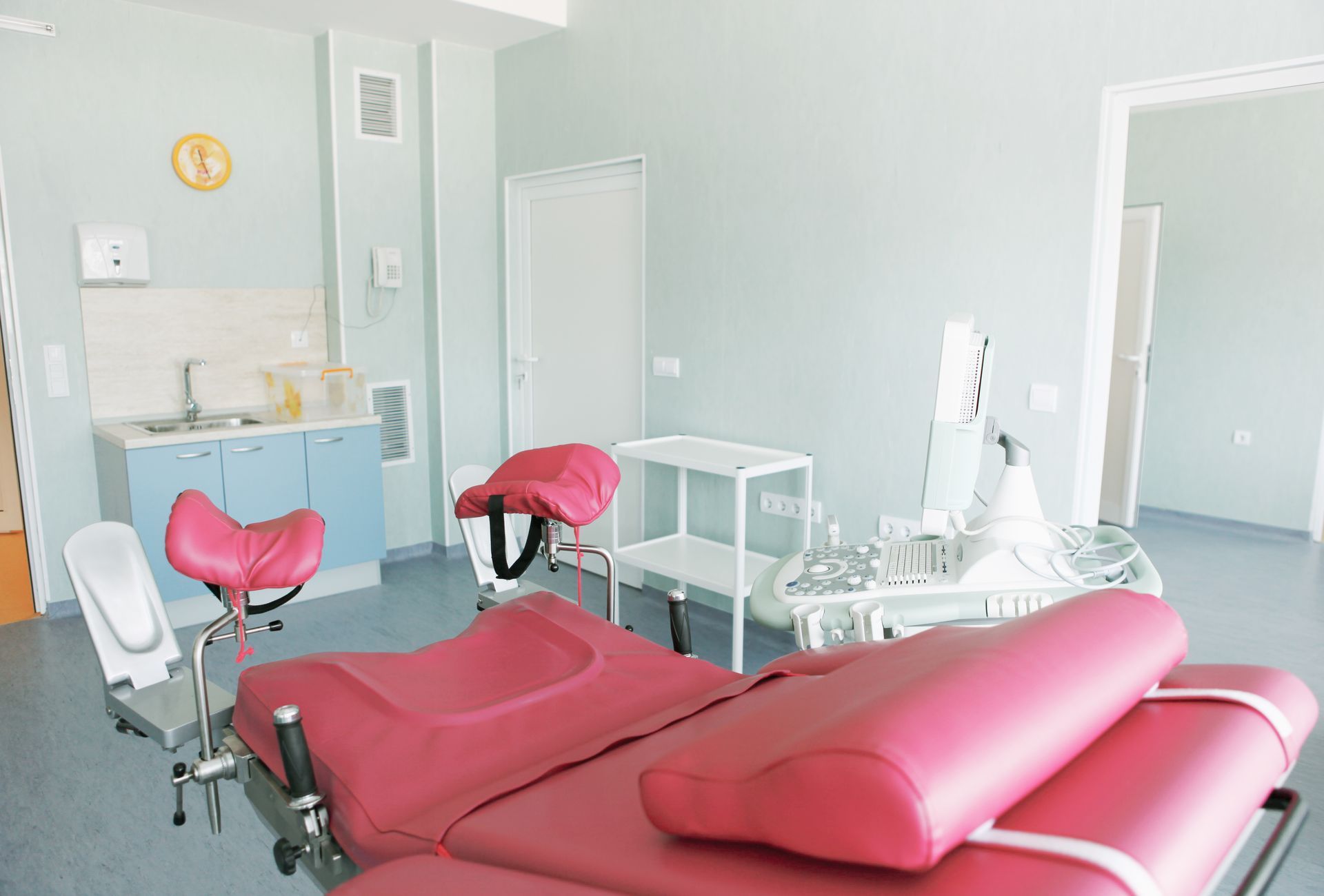
The Procedure Day: What Happens in the Exam Room
When you understand the sequence and the team’s role, the experience can feel much more manageable.
Inside the surgical abortion clinic exam room, your care team explains each step before it happens. After you’re settled, local anesthesia and other comfort measures are provided as clinically appropriate. The physician performs the procedure using current medical protocols, with licensed, experienced clinicians monitoring your well-being throughout. The procedure itself is typically brief, and your care team remains present to check in with you and adjust to keep you comfortable.
Patients consistently report that knowing what each step entails reduces stress. If you want to understand what you might feel or how long each stage will take, ask your clinician to describe the timeline in everyday language before beginning.
Recovery and Aftercare: Your First 24–48 Hours
A supportive recovery plan makes the hours after the procedure predictable and safe.
The recovery area of the surgical abortion clinic is a quiet, private space where staff monitor you and review aftercare instructions. You’ll receive guidance about expected bleeding and cramping, when to call the clinic with questions, activity levels, and follow-up. Most patients spend a short time in recovery before heading home with written instructions, including contact information for any concerns that arise after you leave.
At home, you’ll want to rest, hydrate, and eat light foods. It’s common to have mild cramping and bleeding, and you’ll be shown what’s expected versus when to call. If any prescriptions are recommended, you’ll know how and when to take them. Remember, your care team remains available—no question is too small.
Your Care Team and Standards: What Sets This Facility Apart
Credentials, experience, and environment shape how supported you feel during a medical visit.
The Tampa, FL, facility’s procedures are performed by licensed, highly experienced physicians working with skilled nursing and support staff. Clinical protocols reflect current medical standards, and patient safety checkpoints are built into every step. Rooms are clean and modern, with equipment maintained to rigorous specifications. The confidential environment helps ensure that your privacy is protected from the moment you walk through the door.
Many patients compare different abortion clinics when deciding where to go, and it’s worth asking questions about physician credentials, pain management options, emergency protocols, and follow-up access. Transparent answers are a hallmark of high-quality care.
Questions to Ask Before and During Your Visit
Asking direct questions promotes clarity and helps the team tailor care to you.
- Who will be in the room with me, and what are their roles?
- What type of anesthesia or pain control is available? What are my options?
- How long does the surgical abortion procedure typically take, and what sensations are common?
- What are the signs that I should call afterward?
- How do you maintain privacy in waiting and recovery spaces?
- How soon can I return to typical activities, exercise, or work?
These are the kinds of practical questions patients bring to surgical visits. Your care team expects them and will answer plainly.
Costs, Privacy, and Travel Logistics
Understanding logistics in advance helps you plan a smooth day and stress less.
Costs at a surgical abortion clinic depend on gestational age, chosen comfort measures, and any additional testing that may be part of your individualized plan. Ask for a transparent estimate during scheduling, and confirm what forms of payment are accepted. If insurance applies, the staff can help you understand benefits and any out-of-pocket amounts.
For privacy, the clinic designs check-in and recovery to minimize unnecessary exposure of your personal information. If you’re concerned about appointment reminders or calls, ask about discreet communication options.
If you’re traveling to the surgical abortion clinic from outside the immediate area, request parking information, nearby landmarks, and public transportation tips. Many patients find it helpful to plan a pickup time with a trusted person and keep a small bag with water, snacks, and a light sweater for the recovery area.
Myths, Safety, and How Evidence Guides Care
Separating fact from fiction empowers you to make informed choices.
Search results for abortion clinics can sometimes include outdated or misleading information. In contrast, evidence-based care relies on current clinical guidelines and ongoing training for the medical team. Your clinicians will explain the rationale behind each step, what is routine, and what prompts follow-up. If you encounter conflicting claims online, bring them to your appointment; your care team can clarify what is accurate for your situation.
Community Support and Follow-Up: You’re Not Alone
Post-visit support is a key part of comprehensive, respectful care.
Follow-up at the surgical abortion clinic typically includes a check-in and clear guidance about what to expect in the days ahead. If you need additional support—emotional, logistical, or medical—the staff can connect you with appropriate resources or referrals. Many patients value a place where questions are welcomed without judgment and where the team takes time to ensure you understand aftercare instructions before you leave.
If you have a primary healthcare provider, you can choose to share information with them; if not, the clinic can discuss ongoing gynecologic care and contraception options at your pace. Some patients prefer continuity in one setting; others feel comfortable using different abortion clinics or providers for future care depending on convenience. Your team can help you organize follow-up in the way that best fits your life.
Dedicated, Specialized Care in Tampa, FL
Having a clear plan within a focused setting can make the experience feel more manageable.
Unlike generalized medical settings, a dedicated surgical abortion clinic focuses the entire visit around one type of care, which can streamline check-in, the procedure, and recovery. The result is a visit designed to be efficient without sacrificing time for questions or personal needs. That combination—specialized clinical skill and a calm, confidential environment—is what many patients say most reduces anxiety before and during the day of care.
Comparing Care Settings and Finding Your Fit
Finding the right environment is personal, and practical differences matter.
Some patients prefer a specialized center because the sequence of care is predictable and the team focuses on this procedure daily. Others look at location, scheduling availability, and how easily they can bring a support person.
Criteria you might weigh include:
- Licensed physician oversight and years of experience.
- Clarity of pre- and post-visit instructions.
- Options for pain control, including local anesthesia and comfort measures.
- Privacy features in waiting and recovery spaces.
- Ability to reach a clinician with questions after you go home.
Reading reviews, speaking directly with staff, and comparing a few abortion clinics can help you decide where you feel most supported. The goal is to choose a setting that aligns with your needs, timeline, and comfort.
Your Next Step: Call Today for Answers and a Calmer Visit
When you’re ready to take the next step, choose support that meets you where you are. At Woman’s Health Center Inc., your visit to a surgical abortion clinic in Tampa, FL, is guided by licensed, experienced physicians and a compassionate team committed to privacy, comfort, and evidence-based care. Call
(813) 977-6176 to talk through scheduling, get straightforward answers to your questions, and plan a visit that fits your life.