

Florida's 6-Week Abortion Law: What Clearwater and Tampa Abortion Clinic Patients Need to Know in 2026
Florida's 6-week abortion law has changed what patients in Clearwater, FL, and across the Tampa Bay region need to do before visiting an abortion clinic. This article explains the current law, the 24-hour waiting period, who may qualify for exceptions, and why acting quickly matters for anyone considering abortion clinic care in 2026.
How Florida's 6-Week Abortion Law Affects Clearwater and Tampa Patients
Florida currently limits abortion access to six weeks from the last menstrual period (LMP). This law came into effect in May 2024, following its passage in the Florida Legislature and signature by the Governor. Six weeks LMP is earlier than many people realize they are pregnant, which means the window for legal abortion clinic care in Florida is narrow. Patients in Clearwater, FL, Tampa, and St. Petersburg all operate under this same statewide law.
Many people do not experience noticeable pregnancy symptoms before the six-week mark. By the time a missed period is confirmed and an appointment is scheduled, the gestational limit may already be approaching. This makes early pregnancy testing and prompt scheduling critical for anyone seeking care at a clinic in Clearwater, FL.
What Is the Mandatory Waiting Period in Florida?
Florida requires a 24-hour waiting period before an abortion can be performed. Patients who seek abortion care must undergo a twenty-four-hour mandatory waiting period, biased counseling, and an ultrasound. This means patients must typically make two separate visits to the abortion clinic. Pregnant women are generally required to make two visits to a medical facility 24 hours apart to be able to obtain an abortion.
For patients traveling from areas of Pinellas County such as Dunedin, Safety Harbor, or Largo to reach a Clearwater clinic, two separate trips add real logistical pressure. Patients from east of Tampa Bay, including those driving across the Howard Frankland Bridge from Hillsborough County, face similar challenges. Planning both appointments early is one of the most practical steps anyone can take.
Who May Qualify for an Exception to the 6-Week Limit?
The exceptions to the six-week gestational limit include: (1) within 15 weeks gestational age, if documentation shows the pregnancy resulted from rape, incest, or human trafficking; (2) before the third trimester, if two doctors certify a fatal fetal abnormality; and (3) at any time, with physician certification, to save the pregnant woman's life or avert a serious risk of substantial and irreversible physical impairment of a major bodily function.
These exceptions are narrow and require documentation. Patients who believe they may qualify should contact a licensed clinic as soon as possible to understand what paperwork or medical records may be needed. Do not assume an exception applies without speaking to a qualified provider directly.
Exceptions to the 24-hour waiting period require evidence from medical or official documentation that the pregnancy is due to rape, incest, domestic violence, or human trafficking.
Why Timing Matters So Much in the Tampa Bay Area
The six-week window, combined with the 24-hour waiting period and two-appointment requirement, makes access challenging for many people. For patients in the Tampa Bay area, this is especially relevant because Florida no longer functions as a regional access hub. Before the six-week ban, Florida served as an access point for patients from states like Texas, Louisiana, Alabama, and Georgia, with about 9,000 people traveling to Florida for abortion care in 2023. That has changed significantly. The closest states where someone from Florida can now get an abortion after six weeks are North Carolina, at about 12 weeks, or Virginia. Out-of-state travel is a significant burden for most patients, making local, timely care even more important.
Frequently Asked Questions About Florida Abortion Law in 2026
How Are Six Weeks of Pregnancy Counted in Florida?
Six weeks is counted from the first day of a patient's last menstrual period, not from conception. This is called gestational age by LMP. Most people ovulate and conceive around two weeks after their period begins, so six weeks LMP is roughly four weeks after fertilization. A clinical ultrasound can confirm gestational age accurately.
Does the 24-Hour Waiting Period Apply Even in an Emergency?
The mandatory waiting period may be waived in certain documented medical emergencies. Patients facing acute health risks should contact a licensed provider immediately. A clinic team can review your specific situation and advise whether a waiver may apply based on current Florida law.
Can Minors Seek Abortion Care Without Parental Consent in Florida?
Florida law generally requires parental notification and consent before a minor's abortion. In May 2025, a Florida appeals court ruled that parts of the judicial bypass law were unconstitutional because they violated parental rights, making it much harder for minors to get an abortion without parental consent. Minors in this situation should speak with a medical provider or legal advocate promptly.
What Should I Do First if I Think I May Be Pregnant?
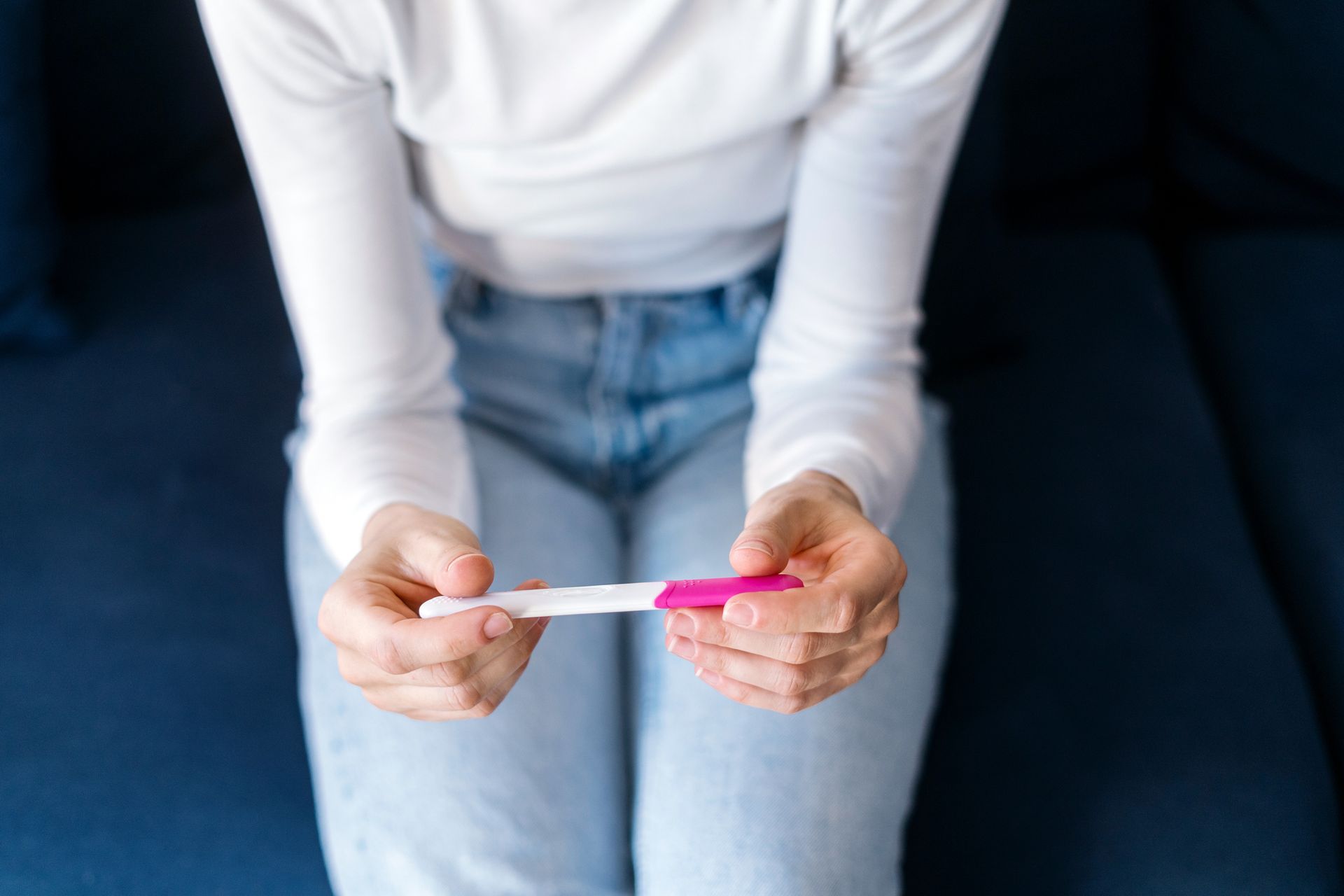
Take a home pregnancy test as soon as possible and contact a licensed abortion clinic to schedule a confirmation appointment. Time is the most important factor under Florida's current law. Do not wait to see if your next period arrives.
Schedule Confidential Care Serving Clearwater, FL Today
Time is the most valuable resource for anyone navigating Florida's 6-week abortion law. The sooner you call, the more options may remain available to you. Bread and Roses serves the Clearwater, FL, community with confidential, compassionate reproductive healthcare from a licensed abortion clinic team that has supported patients across Pinellas and Hillsborough counties for decades. To schedule your first appointment or ask questions about your options, contact us online or call 727-446-2690 today. You can also learn more about available procedures on our abortion options page. Every day counts.